A Beginner's Guide To Investing
Investing often feels intimidating — especially if you’re just starting out. You find tons of information online and then it feels overwhelming. Here's a simple guide to investing for beginners.
Jai Joshi
2/5/20263 min read


A Beginner’s Guide to Investing (Without the Stress)
Investing may feel daunting and mind-boggling — especially if you’re just starting out.
If you follow market news regularly, you often hear about this:
market crashes
people making or losing vast sums of money
complicated terms and strategies
It’s easy to be overwhelmed and profuse. Whenever you take a new path, it does scare you; and it stands true for all.
In reality, people tend to make investing a lot more complicated than it is really is. Investing is something simple, patient and intentional.
What Investing Really Is (And What It Isn’t)
In simple terms, investing means:
Putting money into productive assets and giving them time to grow.
Many confuse it with:
gambling
constant trading
trying to get rich quickly
Investing is a systematic long-term
process, very different from
gambling and constant trading.
Why Most Beginners Feel Overwhelmed
Beginners often get overwhelmed and struggle because:
there’s too much information in market
advice is conflicting as every advice is different
and, mistakes are exaggerated
But most investing success comes from avoiding big mistakes — not finding perfect opportunities.
The 3 Things You Need Before You Start Investing
1) Financial Stability
Before investing, make sure you have:
an emergency fund
manageable debt
predictable expenses
Investing without stability increases stress. Investing is different from trading.
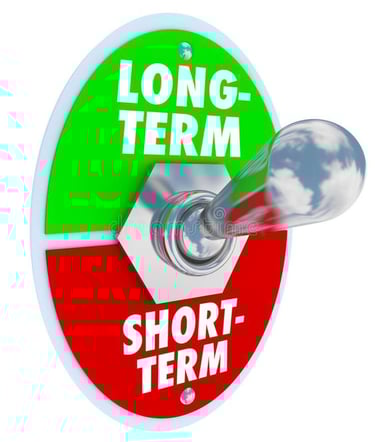
2) Time
Investing rewards patience.
In Short-term:
it is unpredictable
and emotional
In Long-term:
it is smoother
and more reliable
3) A Simple Plan
A simple plan beats a complex one you won’t follow.
Your plan should define:
how much you invest
how often
for how long
You do not invest on whim, you analyse and invest.
How to Start Investing (Step by Step)
Step 1: Start Small
Investing does not require large capital to begin with. Start small.
Consistency matters more than size.
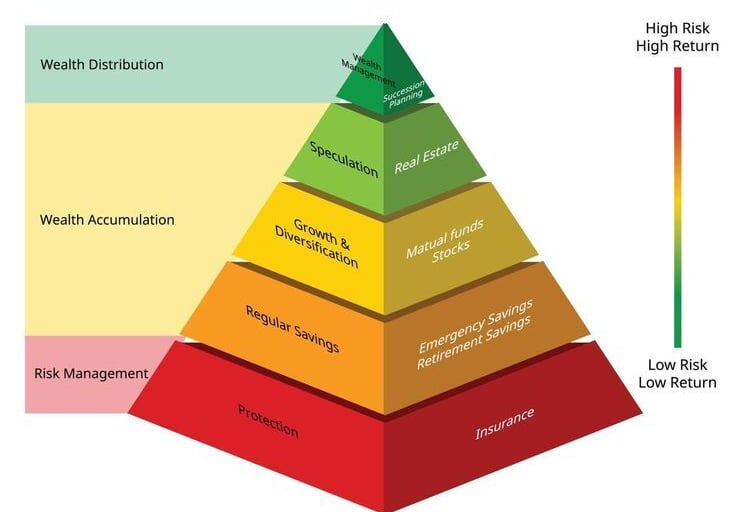
Step 2: Use Simple, Diversified Options
Beginners should focus on:
broad market funds
diversification
low costs
ABSOLUTELY AVOID:
chasing trends
overtrading
revenge investing
Follow your plan, be patient and control you emotions.
Step 3: Automate When Possible
Automation removes emotion and builds discipline.
Common Beginner Mistakes to Avoid
reacting to market news
trying to time the market
copying others blindly
checking results too often
What Really Matters in the Long Run
Investing is a long-term process, but it depends on:
staying invested
managing emotions
letting time work
Not on:
predictions
perfect timing
You do not need perfect timing in
investing right at beginning. Follow
broad market funds and go for
assets offering consistent returns.
Summary
Investing doesn’t have to be stressful
Simplicity beats complexity
Time and consistency do the heavy lifting
Avoid Overinvesting
Follow your financial plan
If you found this helpful…
Follow MoneyContext for simple, calm investing guidance without hype.
Start simple. Stay invested.