How Markets Affect Everyday People (Even If You Don’t Invest)
You don’t need to be an investor to be affected by markets. In fact, markets influence almost every part of your daily life — even when you’re not watching the news or checking stock prices. And the tricky part is: most people don’t realize it.
Jai Joshi
1/27/20263 min read

You don’t need to be an investor to be affected by markets.
In fact, markets influence almost every part of your daily life — even when you’re not watching the news or checking stock prices.
And the tricky part is: most people don’t realize it. Markets aren’t just for Wall Street or finance experts.
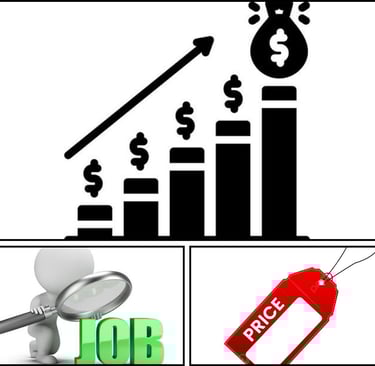
They are the invisible system that impacts:
your job
your salary
the price of groceries
the cost of borrowing money
and even your retirement plan
So if you want to make better money decisions,
understanding markets is not optional — it’s essential.
What “Markets” Really Mean (In Plain Language)
When people say “the market,” they usually mean the stock market. But the truth is:
Markets are any system where buyers and sellers trade value.
That includes:
stocks
bonds
currencies
commodities
and even real estate
Markets are basically a big scoreboard that shows what people think things are worth.
The 3 Main Ways Markets Affect Everyday People
1) Jobs and Wages
When markets are strong, companies tend to grow and hire more people.
When markets are weak, companies tighten budgets and may cut jobs.
Even if you don’t own stocks, your paycheck is still connected to market performance.
Example:
If a company’s stock is falling, it may reduce hiring or freeze raises.
That affects your income — directly.
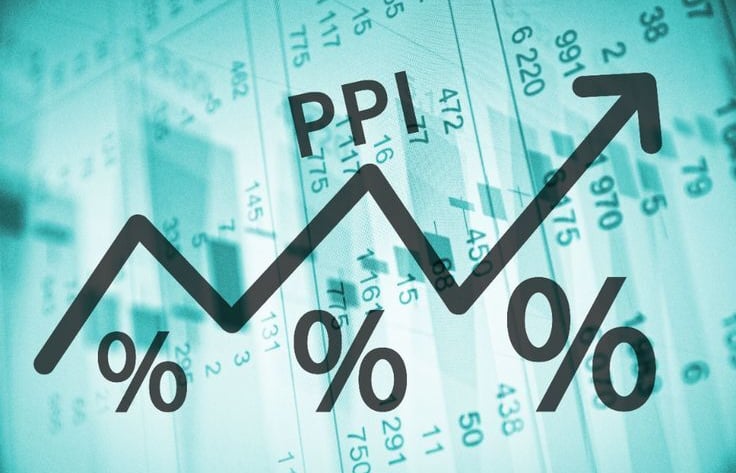
2) Prices and Inflation
Markets are one of the biggest reasons prices go up or down.
When demand increases, prices rise.
When supply increases, prices fall.
This is why you see:
(a.) food prices changing
(b.) fuel costs going up
(c.) rent increasing in certain cities
Even if you’re not investing, you feel the market through your cost of living.
3) Credit, Loans, and Interest Rates
This one affects almost everyone.
When markets change, central banks often adjust interest rates to stabilize the economy.
And that affects:
mortgages
credit cards
personal loans
auto loans
If interest rates go up, borrowing becomes more expensive.
If rates go down, loans become cheaper.
So your monthly expenses can change even if your salary stays the same.
The Simple Way to Interpret Market News
Most financial news is confusing because it focuses on short-term events.
Here’s the simple way to think about it:
Ask yourself 3 questions every time you hear market news:
Is this short-term or long-term?
Does it change my personal plan?
Is this something I can control?
If the answer is “no” to most of these, then the news is just noise.
What You Can Do Right Now (Practical Steps)
Here are 3 simple actions that will protect you and keep your money decisions calm:
✅ 1. Build an emergency fund
This reduces the impact of market volatility on your life.
✅ 2. Keep your spending stable
When markets are uncertain, don’t make emotional spending decisions.
✅ 3. Invest only when you’re ready
You don’t need to invest to benefit from markets — but if you do, do it with a plan.
Summary
Markets affect everyone — not just investors.
They influence:
your job
your prices
your loans
your financial stability
The good news is: you don’t need to
understand every detail to make smarter
decisions. You just need a simple framework
and a calm approach.
If you found this helpful…
Follow MoneyContext for weekly clarity on money, markets, and decision-making.