How To Read Financial News Without Panic
Many a times, when reading financial news you fell anxious, confused and something gripping you. Here's How to read Financial News Calmly and benefit from it in long-term.
Jai Joshi
1/28/20263 min read
How to Read Financial News Without Panic
If you read financial regularly or occasionally you probably came across this:
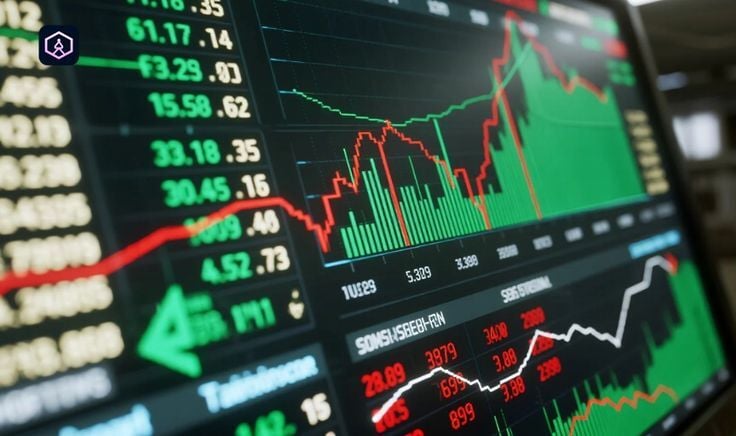
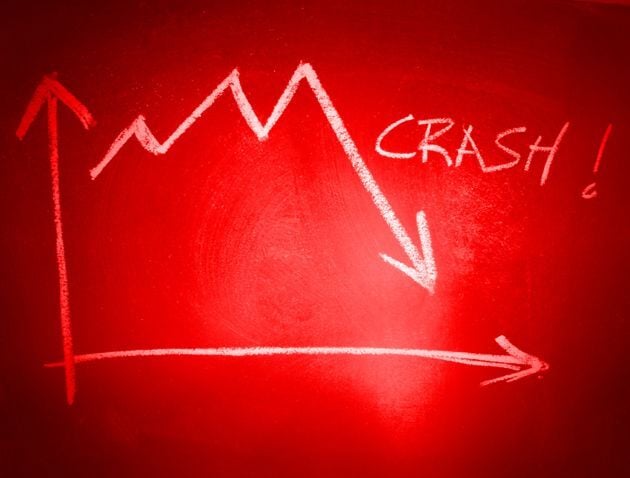
The “market is crashing”
The “worst is coming”
The social media blowing the news
And even if you are barely related to it, you panic, you feel anxious.
This reaction is normal - and also necessary.
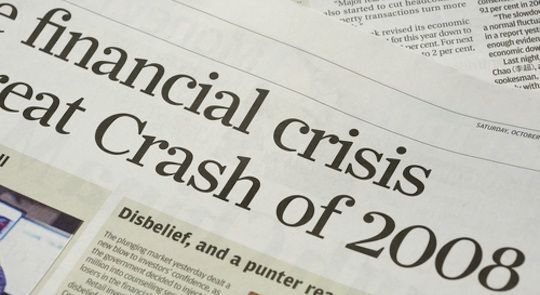
Let’s just say that financial news is attention seeker or rather that it serves the purpose to grab attention. It is not an ideal situation to make calm decisions, right?
That’s where reading financial news comes into play. Learning to read it can save you a lot of stress, and - bad decisions.
So, grab some tea or coffee and let’s dive right into it.
Why do Financial News Feel Stressful?
Most financial news follow three patterns:
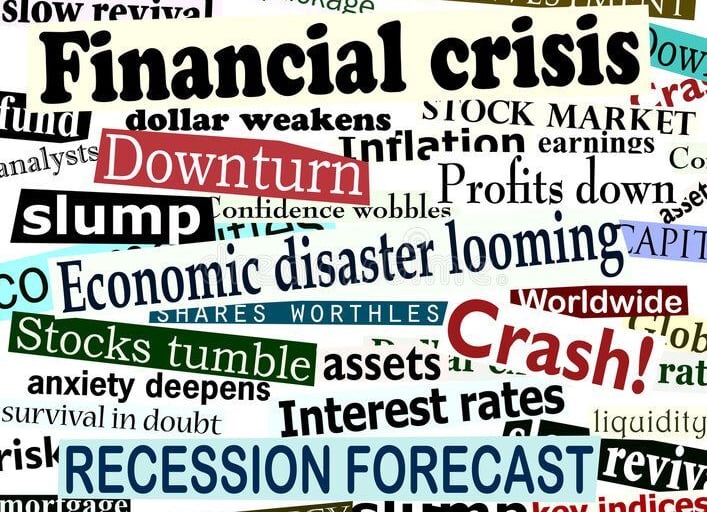
It focuses on extremes
It talks about short-term move
It creates fear and urgency.
Allow me to make it simple:
“Trump declared tariffs on China……”
“You are about to lose a lot of money…..Know why.”
If the above two cases were headlines,
Which one would you click?
Most people would pick “B” as it
created fear of losing money and the
urgency to act upon it.
Calm and balanced headlines don’t
get clicks, Fear and Urgency do.
So instead of asking, “is this
important to me”, news often makes you feel “I must act upon it urgently.”
The News Is Not Advice
This is where you have to shift your mindset. Many people believe that financial news is advice but, in reality, it is information - not instruction.
If a headline says, “Market falls by 3%.”, It does not tell you to buy, sell, or to change your plans and budget.
Short-Term Noise V/s Long-Term Reality
Most news focuses on daily or weekly movements, but real financial outcomes are shaped over years, not days.
Ask yourself:
(a.) Did anything fundamental change today?
(b.) Or is this just a reaction to expectations, emotions, or speculation?
In most cases it's the second one.
Markets move all the time.
That doesn't mean your decisions should.
A Simple 3-Question Filter for Any Financial News
Before reacting to any headline, pause and ask:
1) Does this affect me personally?
If you don’t invest, a stock market dip may not matter at all.
If you do invest long-term, short-term moves often don’t matter either.
2) Is this short-term or long-term?
Most headlines are short-term.
Your goals — savings, career, financial stability
— are long-term.
Don’t let short-term noise control long-term
plans.
3) Can I control this?
You can’t control markets, interest rates, or global
events.
You can control:
your spending
your savings
your investment discipline
Focus on what's in your control.
Why “Experts” Often Disagree
One confusing part of financial news is that experts constantly contradict each other.
That’s because:
markets are complex
predictions are uncertain
incentives differ
Some experts are paid to be bold.
Some are paid to be cautious.
Very few are paid to be right.
So disagreement doesn’t mean chaos — it means uncertainty is normal.
What You Should Do Instead of Reacting
Here’s a calmer approach that actually works:
1. Stick to a plan
If you have a financial plan, random news shouldn’t change it.
2. Limit how much news you consume
Checking headlines once a day is more than enough.
3. Focus on fundamentals
Your income, expenses, savings rate, and time horizon matter far more than daily market moves.
Remember, "A man who tries to take everything, ends up with nothing."
A Healthy Relationship With Financial News
The goal is not to avoid news — it’s to consume it intelligently.
Think of financial news like weather reports:
useful for awareness
not something to panic over
You don't cancel your life just because there might be rain.
You adjust it.
Summary
Financial news is designed to be emotional — not personal.
Before reacting:
pause
filter the information
focus on what you can control
Calm Decisions compund.
Panic decisions don't
If you found this helpful…
Follow MoneyContext for calm, clear thinking about money and markets — without the noise.